
No products added!
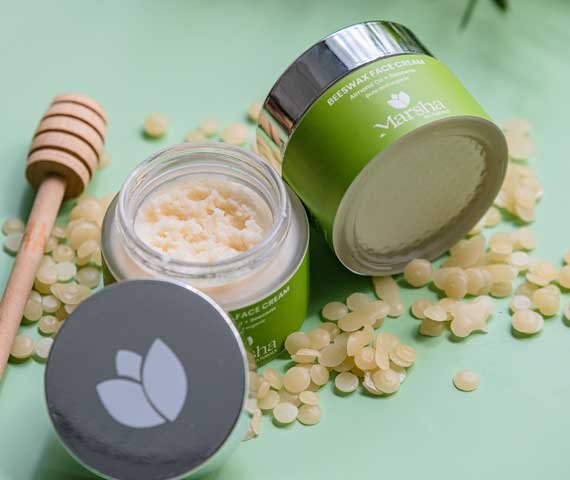
When it comes to skincare, one of the most important lessons is this: your skin is unique. The products, routines, and habits that work wonders for one person may cause breakouts, dryness, or irritation for another. That’s why understanding your skin type is the foundation of building a skincare routine that actually works.
In this guide, we’ll walk you through the main skin types, how to identify them, and the best ways to care for each.
1. Normal Skin
Normal skin is considered the most balanced skin type — not too oily, not too dry. It typically has:
- Small, barely visible pores
- A smooth, even texture
- Few to no blemishes
- Healthy circulation and a natural glow
Challenges: While normal skin is relatively easy to manage, neglecting it can still lead to dryness, premature aging, or dullness over time.
Care Tips:
- Use a mild, sulfate-free cleanser twice a day to maintain balance.
- Opt for a lightweight moisturizer to lock in hydration.
- Always wear sunscreen with at least SPF 30 during the day.
- Exfoliate 1–2 times a week to keep skin radiant.
2. Oily Skin
Oily skin produces excess sebum, often leading to a shiny appearance and a higher tendency toward clogged pores and acne. Common traits include:
- Enlarged pores.
- Frequent blackheads or whiteheads
- Greasy feeling, especially in the T-zone (forehead, nose, chin)
Challenges: Excess oil can mix with dead skin cells, leading to breakouts, while overly harsh products can strip the skin and trigger even more oil production.
Care Tips:
- Use a gentle foaming cleanser to remove excess oil without drying out the skin.
- Choose oil-free, non-comedogenic moisturizers.
- Incorporate salicylic acid or niacinamide to help control sebum production.
- Avoid overwashing — it can backfire and cause more oiliness.
3. Dry Skin
Dry skin lacks sufficient moisture and natural oils, which can make it feel tight, rough, or flaky. Signs include:
- Dullness
- Visible dry patches
- Fine lines more noticeable due to lack of moisture.
Challenges: Dryness can be worsened by harsh weather, hot showers, and over-cleansing, making the skin more prone to irritation and early signs of aging.
Care Tips:
• Switch to a creamy, hydrating cleanser that doesn’t strip natural oils.
• Use richer moisturizers with ingredients like hyaluronic acid, glycerin, and ceramides.
• Limit long, hot showers — lukewarm water is better.
• Use a humidifier during dry seasons to keep the air (and your skin) hydrated.
4. Combination Skin
Combination skin has both oily and dry characteristics — often oily in the T-zone and dry or normal on the cheeks. Traits include:
• Shiny areas and dull/dry patches at the same time
• Pores that are more visible in the oily areas
Challenges: It can be tricky to find products that work well for both the oily and dry zones without causing imbalance.
Care Tips:
• Use a gentle cleanser suitable for all skin types.
• Apply lightweight moisturizers to oily areas and richer creams to dry patches.
• Consider “multi-masking” — using different masks on different parts of the face depending on their needs.
5. Sensitive Skin
Sensitive skin reacts easily to skincare products, weather changes, and even stress. Signs include:
• Redness
• Burning or stinging sensation after using certain products
• Visible irritation or rashes
Challenges: It can be difficult to find products that don’t cause a reaction, and sensitivity can sometimes overlap with other skin types.
Care Tips:
• Always patch-test new products before full application.
• Choose fragrance-free, hypoallergenic formulas.
• Look for calming ingredients like aloe vera, chamomile, and oatmeal.
How to Identify Your Skin Type
If you’re unsure about your skin type, try this simple test:
1. Wash your face with a gentle cleanser and pat dry.
2. Leave your skin bare for about an hour — don’t apply any products.
3. After an hour, check how your skin feels:
- Tight and rough? Likely dry. Shiny across most areas? Likely oily.
- Shiny in T-zone, dry on cheeks? Likely combination.
- Calm, balanced, and comfortable? Likely normal.
- Red, itchy, or reactive? Likely sensitive.
Understanding your skin type isn’t just about vanity — it’s about health. Choosing the right products helps maintain the skin’s barrier, prevent premature aging, and keep it glowing for years to come. No matter your skin type, remember two universal skincare rules: be consistent and never skip sunscreen.
Your skin is unique — treat it with the care it deserves, and it will reward you with confidence that shines from within.
Previous Story
Why Organic Skincare is More Than a Trend — It’s a Necessity
Next Story
No story to show!
Related Article
